Sealed Pokémon Booster Boxes — Why Authentication Claims Are Often Misunderstood
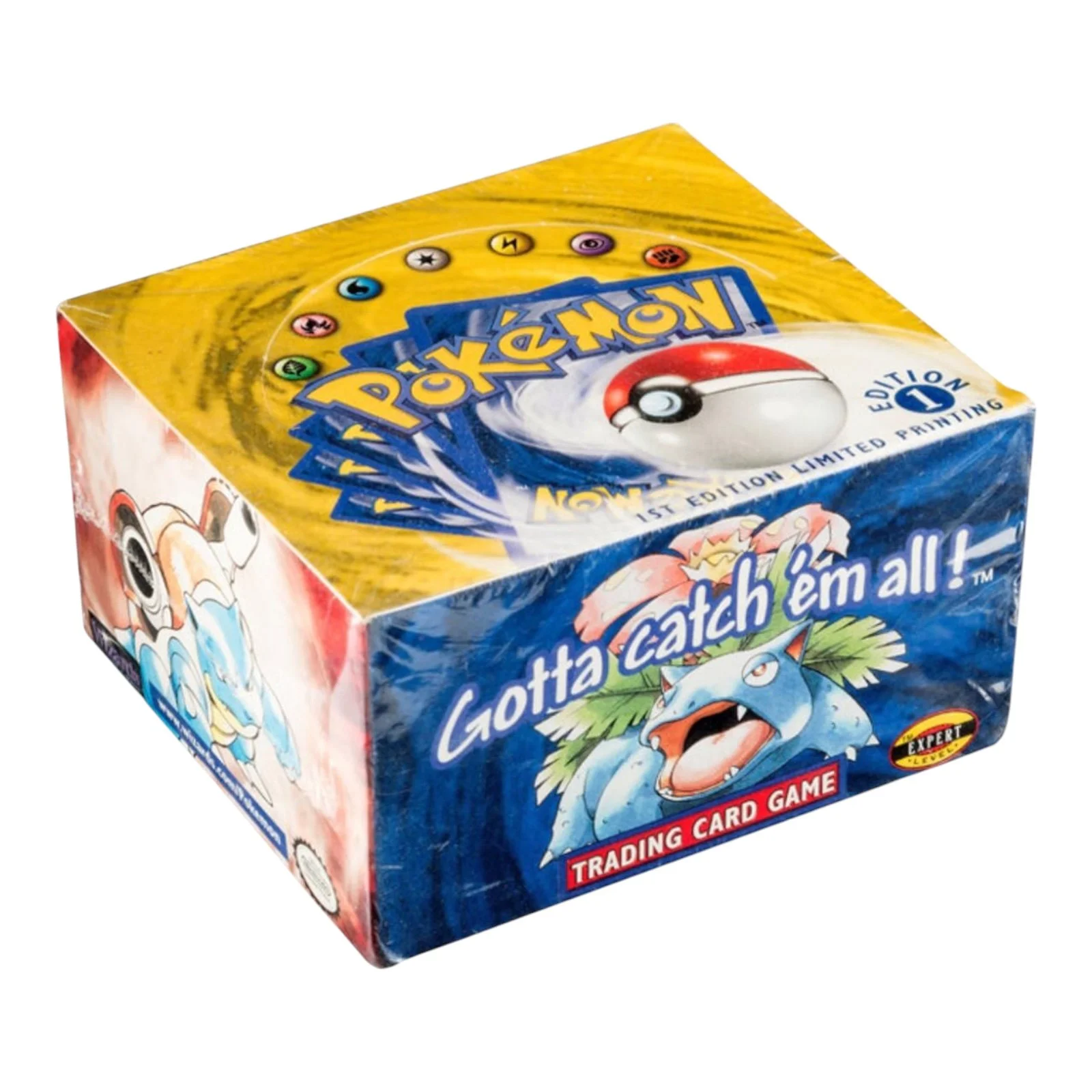
Sealed Pokémon booster boxes occupy one of the most misunderstood corners of the modern collectibles market. As prices for vintage and early-era sealed product have surged, so too have incorrect assumptions about what “authentication” actually means for unopened boxes. Stickers, acrylic display cases, third-party labels, and casual online claims are frequently mistaken for professional verification—creating confusion, misplaced confidence, and real financial risk for buyers and sellers alike. Understanding where these misunderstandings originate is the first step in protecting yourself.
Specifications and Details
Category: Sealed Trading Card Products
Market Focus: Pokémon booster boxes and factory-sealed items
Common Risk Factors: Third-party display cases, non-authorized labels, visual-only assessments
Most Affected Buyers: Collectors, investors, and first-time sealed-product purchasers
Condition & Authenticity
Unlike individual trading cards, sealed Pokémon booster boxes cannot be fully authenticated through visual inspection alone. The contents are inaccessible, packaging materials vary by era, and counterfeit methods have evolved to replicate surface-level details convincingly. As a result, sealed products present a fundamentally different risk profile than single cards.
A frequent source of confusion arises when sealed boxes are presented in acrylic cases with applied stickers or labels that imply verification. While some firms—including DJR Authentication in limited historical contexts—have used void-if-broken verification labels on individual trading cards handled directly and placed in approved holders, this practice does not extend to sealed products. Labels applied to third-party display cases do not authenticate the sealed contents inside and are often misinterpreted by buyers as proof of legitimacy.
Another common misconception is that “authentication” of a sealed box functions the same way as grading or certifying an individual card. In reality, professional evaluation of sealed products focuses on risk assessment, packaging analysis, provenance review, and red-flag identification, not definitive guarantees. Even when a box appears visually correct, that alone does not establish authenticity.
Legacy & Value
The value of sealed Pokémon booster boxes is driven by scarcity, nostalgia, and long-term collector demand—but that value is also highly sensitive to doubt. A single unresolved question about packaging integrity or presentation can significantly impact resale confidence. This is why professional guidance matters, and why relying on informal indicators such as stickers or cases can introduce unnecessary risk.
Collectors who approach sealed products with the same expectations as graded cards often overestimate what visual cues can confirm. Understanding what professional services can—and cannot—do is essential before committing capital at today’s price levels.
How DJR Authentication Approaches Sealed Products
DJR Authentication does not authenticate sealed booster boxes or unopened products. Instead, DJR provides structured education, risk analysis frameworks, and escalation guidance so collectors can make informed decisions before proceeding further.
Before You Rely on Stickers, Labels, or Display Cases
Sealed Pokémon booster boxes require a different evaluation framework than individual trading cards. Surface indicators—acrylic display cases, applied stickers, third-party labels, or implied verification—do not establish authenticity and are frequently misunderstood or misused in the market.
DJR Expert Guide Series, Vol. 145 — How to Spot Fake Pokémon Booster Boxes & Sealed Product documents the professional evaluation system used to assess sealed Pokémon products, identify counterfeit and repackaging patterns, and recognize false signals that create misplaced confidence.
This guide is designed to replace guesswork with structured analysis—helping collectors understand when sealed products may warrant further consideration, when risk outweighs potential upside, and when disengagement is the correct decision.
Before You Act
If you have a specific item and want an expert opinion on whether further evaluation is warranted, DJR Authentication also offers Online Fast Opinions based on submitted images and details. Learn more at djrpro.com/services
At DJR Authentication, we appraise and authenticate collectibles across categories including trading cards, art, jewelry, documents, and rare objects. Reports include full documentation suitable for insurance, estate planning, resale, and more. In-person consultations are available by appointment in Charleston, SC.