Rolex GMT-Master II Pepsi & Batman Ceramic — Authentication Risk, Service Part Exposure, and Costly Misclassification
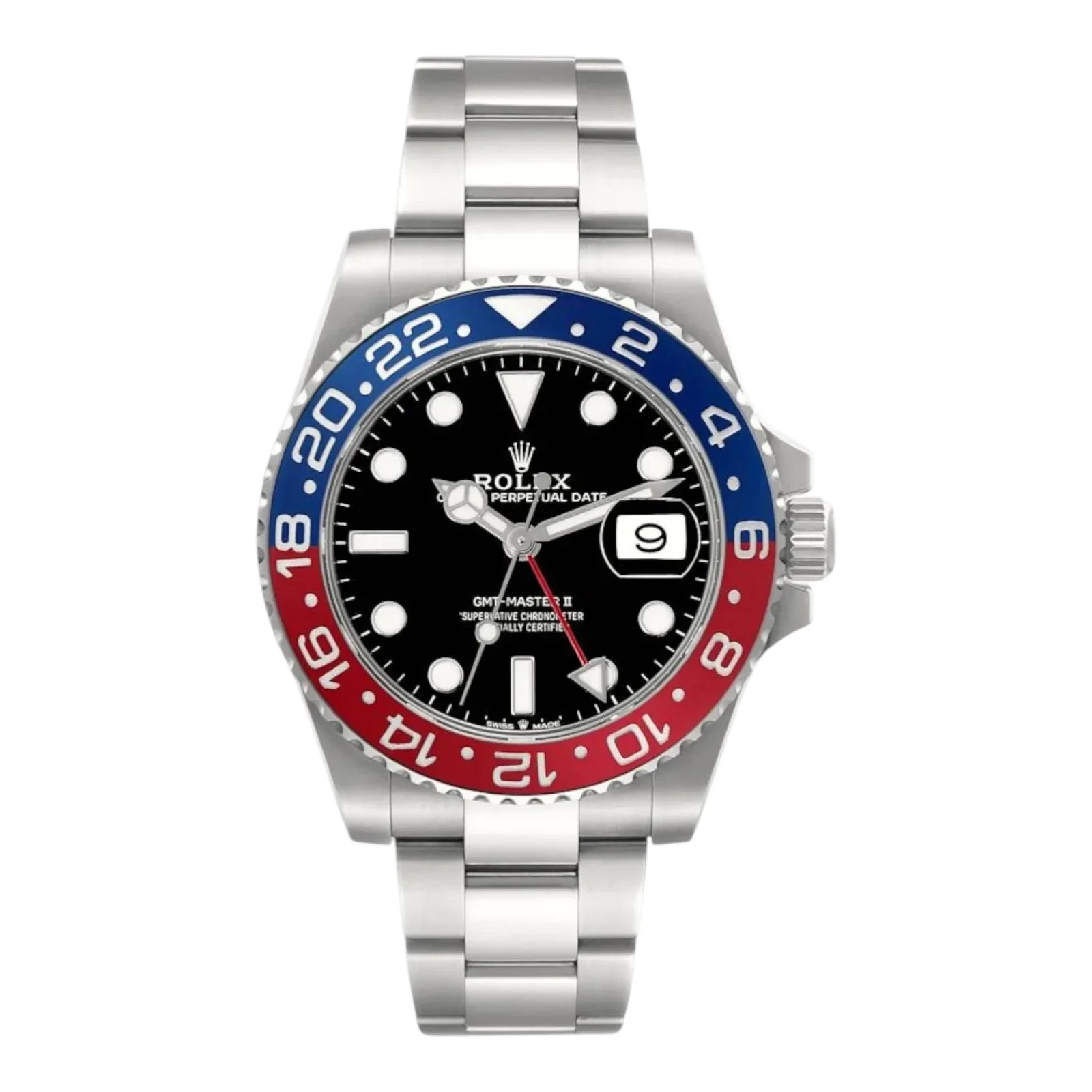
Rolex GMT-Master II 126710BLRO “Pepsi” in stainless steel with blue and red ceramic bezel and Oyster bracelet, 40mm modern reference configuration.
Introduction — Surface Recognition vs Structural Verification
Rolex GMT-Master II “Pepsi” and “Batman” ceramic models are among the most recognizable modern luxury watches in the world. The bi-color ceramic bezel is unmistakable. The Oyster case feels familiar. The bracelet weight signals quality. Because of that visibility, many collectors assume authentication and originality are straightforward.
They are not.
A watch may appear correct at first glance. The bezel colors look vibrant. The dial printing appears sharp. The hand stack seems aligned. Confidence builds quickly — often before structural verification occurs.
DJR Authentication specializes in professional evaluation of high-value Rolex GMT-Master II Pepsi and Batman ceramic models and related collectible assets.
The reality is that bezel insert typography, ceramic color transition, rehaut engraving alignment, dial variant consistency, movement caliber, service history, and case geometry must align across multiple variables. A GMT-Master II can be authentic Rolex yet materially altered from its original configuration.
In this market, assumptions become expensive quickly.
Where Buyers Get Exposed
Assuming bezel color alone confirms originality
Ignoring subtle font differences in ceramic insert engraving
Overlooking service replacement dials
Failing to distinguish Caliber 3186 from 3285 where applicable
Accepting polished cases as “light wear”
Ignoring bracelet stretch and clasp code inconsistencies
Treating prior service documentation as proof of original specification
Modern Rolex models are frequently serviced. Inserts, dials, hands, and bracelets are replaceable components. A watch can remain mechanically authentic while losing collector-tier originality.
Premium pricing increases incentive for misrepresentation — intentional or otherwise.
Why This Category Carries Elevated Risk
Several structural factors elevate authentication risk in ceramic GMT-Master II models.
First, ceramic bezel inserts vary in engraving depth, font shape, and color transition across production years. Subtle differences affect classification.
Second, dial variants and lume composition must correspond with reference and serial range. Service dials can materially alter tier placement.
Third, movement caliber must align with the correct reference generation. An incorrect movement classification can affect valuation and resale credibility.
Fourth, polishing alters case geometry. Lug thickness and crown guard symmetry impact long-term collector positioning.
In this category, a single misidentified item can represent thousands or even tens of thousands of dollars in financial exposure.
Auction scrutiny is increasing. Watches that appear acceptable in private transactions may face reclassification during formal review.
This cannot be confirmed casually.
What Must Be Verified First
Reference number and serial range consistency
Ceramic bezel insert font and engraving alignment
Dial variant and lume composition consistency
Movement caliber verification
Case geometry and polishing exposure
Bracelet code and clasp consistency
Evidence of service replacement parts
These variables must align before authenticity or value can be established with confidence.
Path 1 — Professional Review
Professional evaluation is appropriate:
Before purchasing at secondary market pricing
Prior to auction consignment
When service history is incomplete
For insurance or estate documentation
When originality or configuration is uncertain
Start with a professional evaluation.
Early evaluation prevents costly mistakes and protects your position before a transaction, submission, or sale.
Most clients begin with an Online Fast Opinion to determine authenticity risk and whether further documentation is warranted.
In-person consultations are available by appointment in Charleston, SC.
Path 2 — Authentication & Ownership System
For collectors who want structured context before professional review, the Rolex GMT-Master II Pepsi / Batman Ceramic Authentication & Ownership System provides a comprehensive framework.
Ceramic bezel insert variation awareness
Dial and lume classification risk
Movement generation differentiation
Service part exposure analysis
Case and bracelet originality considerations
Long-term ownership and resale positioning
Collectors who want a structured framework before seeking professional review can explore the DJR Expert Guide Library.
Before You Act
Most costly mistakes occur before professional evaluation.
Confidence should follow verification, not precede it.
In high-demand Rolex markets, originality defines tier placement and liquidity. Early assumptions can create irreversible financial exposure during resale or auction scrutiny.
The most important decision happens before the transaction.