1889-CC Morgan Dollar — Authentication Risk, Added Mint Mark Exposure, and Costly Reclassification
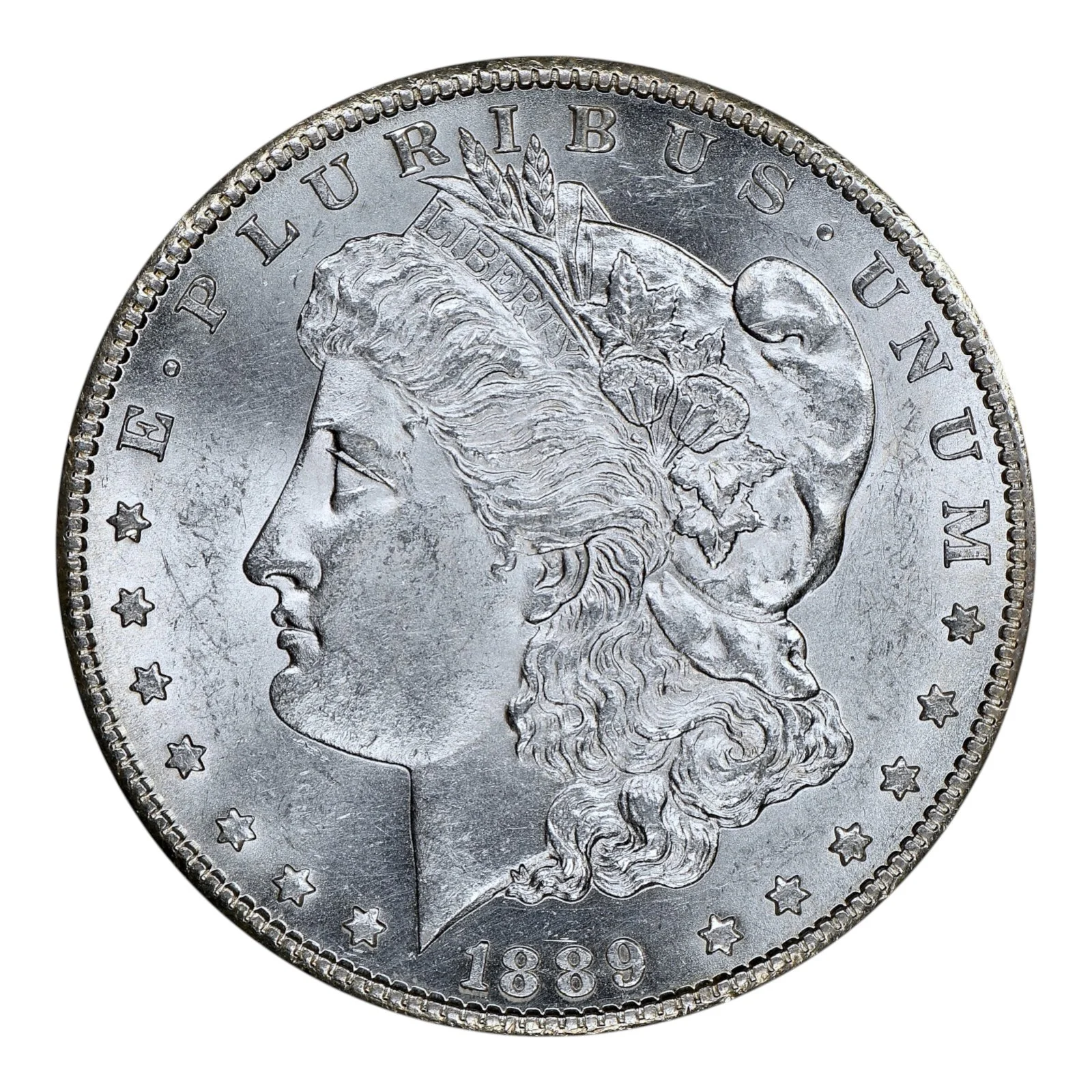
1889-CC Morgan Dollar obverse featuring Liberty head design, Carson City issue, key-date silver dollar with elevated authentication and grading scrutiny risk.
Introduction — Rarity Does Not Equal Safety
The 1889-CC Morgan Dollar occupies one of the most desirable positions in U.S. numismatics. The Carson City mint mark carries weight. Low mintage numbers are well documented. Market demand is consistent. Because of that reputation, many assume identification is straightforward.
It is not.
A coin may appear correct at first glance. The mint mark looks properly positioned. The date aligns visually. The strike appears typical. Confidence builds quickly — often before structural verification occurs.
DJR Authentication specializes in professional evaluation of high-value 1889-CC Morgan Dollar coins and related collectible assets.
The reality is that mint mark placement, die characteristics, surface integrity, strike quality, and alteration exposure must align across multiple structural variables. An 1889-CC Morgan Dollar can look convincing while containing tooling, added mint mark modification, cleaning damage, or structural alteration that materially affects classification and value.
In this market, assumptions become expensive quickly.
Where Buyers Get Exposed
Assuming any “CC” mint mark confirms authenticity
Ignoring subtle tooling indicators around the mint mark
Overlooking die marker inconsistencies
Accepting cleaned surfaces as natural aging
Failing to account for date modification exposure
Relying solely on seller-provided grading opinions
Treating circulated examples as lower risk
Rare coins attract modification. Added mint marks, re-engraving, and surface repair have occurred for decades. A coin can appear visually consistent while failing under professional scrutiny.
Premium pricing creates incentive for alteration — intentional or otherwise.
Why This Category Carries Elevated Risk
Several structural factors elevate authentication risk in the 1889-CC Morgan Dollar.
First, the mint mark is frequently manipulated. Added “CC” mint marks are among the most common alterations in American coin collecting.
Second, die markers and VAM diagnostics must correspond with known strike characteristics. Subtle inconsistencies can signal structural issues.
Third, cleaning and surface repair materially affect grade and liquidity. Improper surface treatment can lead to grading rejection.
Fourth, auction houses and grading services scrutinize this date heavily. Coins that trade privately may face reclassification when submitted to PCGS or NGC.
In this category, a single misidentified item can represent thousands or even tens of thousands of dollars in financial exposure.
Layered complexity exists between mint mark structure, die pairing, strike quality, and surface preservation. Casual inspection is insufficient.
This cannot be confirmed casually.
What Must Be Verified First
Mint mark placement, shape, and structural integration
Die marker alignment with known strike diagnostics
Date integrity and tooling exposure
Surface preservation and evidence of cleaning
Strike consistency with Carson City production
Risk of grading rejection due to alteration
These variables must align before authenticity or value can be established with confidence.
Path 1 — Professional Review
Professional evaluation is appropriate:
Before purchasing at 1889-CC premium pricing
Prior to PCGS or NGC submission
Before auction consignment
For insurance or estate documentation
When mint mark integrity is uncertain
Start with a professional evaluation.
Early evaluation prevents costly mistakes and protects your position before a transaction, submission, or sale.
Most clients begin with an Online Fast Opinion to determine authenticity risk and whether further documentation is warranted.
In-person consultations are available by appointment in Charleston, SC.
Path 2 — Authentication & Ownership System
For collectors who want structured context before professional review, the 1889-CC Morgan Dollar Authentication & Ownership System provides a comprehensive framework.
Mint mark structural awareness
Die marker and VAM exposure considerations
Surface alteration risk assessment
Cleaning and repair classification impact
Grading risk positioning strategy
Long-term ownership and resale positioning
Collectors who want a structured framework before seeking professional review can explore the DJR Expert Guide Library.
Before You Act
Most costly mistakes occur before professional evaluation.
Confidence should follow verification, not precede it.
In high-value Morgan Dollar markets, reclassification can materially affect liquidity and resale positioning. Once a coin is flagged for alteration or cleaning, recovery of market confidence is difficult.
The most important decision happens before the transaction.