Picasso Madoura Ceramic Plates — Authentication Risk, Edition Misclassification, and Costly Attribution Errors
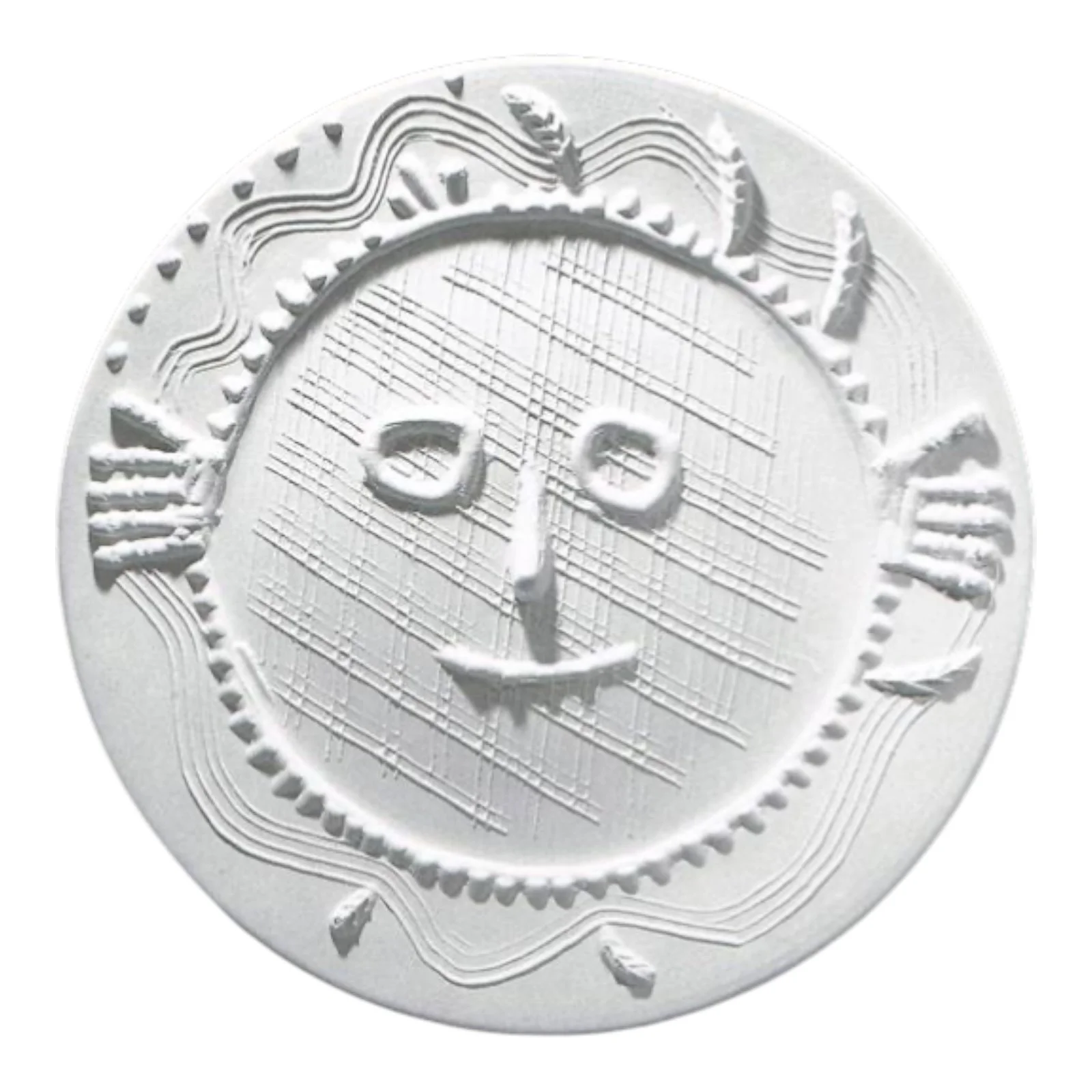
Picasso Madoura ceramic plate — clay composition, impressed marks, glaze behavior, and edition structure must align before authorship and market classification can be established.
Introduction — The False Confidence Problem
Picasso ceramic plates produced at the Madoura workshop are widely collected and visually distinctive. The clay body feels substantial. The glaze appears rich. The impressed Madoura marks look official. To many collectors, these surface cues create immediate confidence.
That confidence is often premature.
Picasso ceramics exist across authenticated Madoura editions, later authorized productions, decorative reproductions, studio-style imitations, and outright fabrications. Clay composition, glaze behavior, impressed marks, edition numbering, and painted signature placement must align structurally. Visual similarity alone is not sufficient.
DJR Authentication specializes in professional evaluation of high-value Picasso Madoura ceramic plates and related collectible art assets.
Collectors frequently rely on the presence of a Madoura stamp or painted signature without examining firing characteristics, clay density, edition consistency, or glaze response. Attribution decisions are often made before layered verification occurs.
In this market, assumptions become expensive quickly.
Where Most Collectors Go Wrong
Assuming any Madoura stamp confirms Picasso authorship
Treating painted signatures as automatic proof of authenticity
Ignoring clay body weight and structural consistency
Overlooking glaze behavior and firing irregularities
Misinterpreting edition numbers or proof designations
Accepting decorative reproductions as limited editions
Relying solely on gallery framing or seller assurances
Picasso ceramics are tactile works. Surface inspection must be paired with structural analysis. Decorative pieces inspired by Picasso can resemble authentic Madoura editions at first glance.
Familiar imagery does not equal verified authorship.
Why This Category Carries Elevated Risk
Several factors elevate authentication exposure in Picasso Madoura ceramics.
First, the Madoura workshop produced editions under structured processes. Clay body composition, glaze layering, and firing characteristics follow consistent standards. Deviations can materially affect classification.
Second, edition numbering formats and impressed marks must correspond to documented production ranges. Later reproductions often replicate marks without replicating structural consistency.
Third, painted signature variations require contextual interpretation. Placement, flow, and interaction with glaze matter.
Fourth, surface wear and craquelure can be misunderstood. Age indicators may be simulated or misinterpreted.
Fifth, auction houses and authentication reviewers scrutinize Picasso ceramics carefully. Works that appear acceptable privately may face reclassification during formal review.
In this category, a single misidentified item can represent thousands or even tens of thousands of dollars in financial exposure.
The interplay between clay body composition, glaze response, impressed stamps, numbering conventions, and signature placement creates layered complexity. Casual inspection cannot resolve these variables.
This cannot be confirmed casually.
What Must Be Verified First
Before authenticity or value can be established with confidence, several professional checkpoints must align:
Clay body density and structural characteristics consistent with Madoura production
Glaze behavior and firing response appropriate to documented editions
Impressed Madoura stamp depth and placement consistency
Edition numbering format alignment
Painted signature placement and structural integration
Exposure to auction reclassification or authentication committee rejection
These variables must align before authenticity or value can be established with confidence.
Isolated indicators are insufficient. Structured evaluation integrates material, structural, and documentary factors.
Path 1 — Professional Review
Professional evaluation is appropriate:
Before acquiring Picasso ceramics at significant price levels
Prior to auction consignment
When marketing as an authentic Madoura edition
For insurance or estate documentation
When edition or stamp authenticity is uncertain
Start with a professional evaluation.
Early evaluation prevents costly mistakes and protects your position before a transaction, submission, or sale.
Most clients begin with an Online Fast Opinion to determine authenticity risk and whether further documentation is warranted.
In-person consultations are available by appointment in Charleston, SC.
Early review protects capital in a category where attribution defines value.
Path 2 — Complete Education System
Collectors who want structured context before professional review can explore the Picasso Ceramic Plates Authentication & Ownership System.
The system addresses:
Clay body and glaze analysis fundamentals
Edition numbering and stamp interpretation
Signature placement and variation considerations
Surface wear and craquelure evaluation
Auction and ownership documentation strategy
Collectors who want a structured framework before seeking professional review can explore the DJR Expert Guide Library.
Education improves awareness. Professional evaluation protects financial outcomes.
Before You Act
Most costly mistakes occur before professional evaluation.
Confidence should follow verification, not precede it.
Early assumptions create irreversible financial exposure, particularly in high-value ceramic markets where attribution determines tier placement.
Professional review preserves credibility, protects auction positioning, and reduces reclassification risk.
With Picasso Madoura ceramic plates, the most important decision happens before purchase, listing, or consignment.