Magic: The Gathering Power Nine Authentication Risk — Why Familiarity Leads to Costly Misidentification
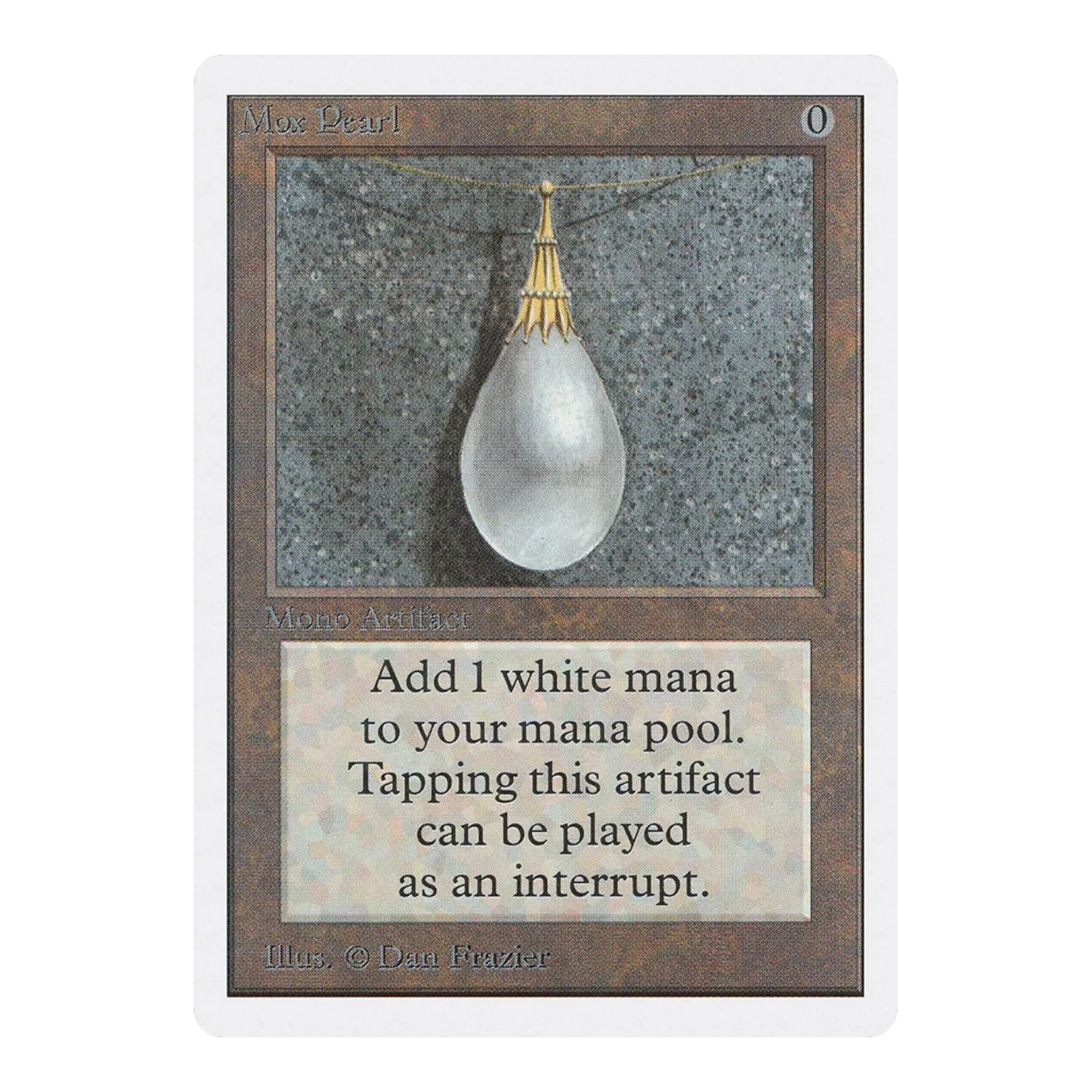
Mox Pearl — an iconic Power Nine card where familiarity often replaces verification. In this category, confidence without professional evaluation can become an expensive mistake.
Introduction — The False Confidence Problem
Magic: The Gathering Power Nine cards occupy a unique place in the collectibles market. They are iconic, widely recognized, and heavily discussed across forums, auctions, and social media. That constant exposure creates a powerful sense of familiarity, and familiarity often masquerades as understanding.
Because these cards are so well known, many collectors believe they are easy to evaluate. A card that looks correct, shows expected wear, or resembles examples seen online can inspire immediate confidence. In practice, this category is one of the most frequently misidentified segments of the trading card market.
Reproductions, high-end proxies, and altered originals are common. Some are engineered specifically to survive visual inspection. Others rely on genuine materials that have been modified to resemble rarer printings. Market misclassification further compounds risk, especially when evaluation is based on surface appearance or prior sales rather than structured authentication review.
In this market, confidence often forms before verification. When that happens, assumptions become expensive quickly.
DJR Authentication specializes in professional evaluation of high-value trading cards and collectible assets, providing independent risk analysis before buying, selling, grading, or insuring.
Where Most Collectors Go Wrong
Relying on appearance, surface wear, or aging as proof of authenticity
Treating grading results as definitive authentication
Trusting seller descriptions, reputation, or prior transactions
Assuming rarity or demand confirms legitimacy
Ignoring subtle production differences between early printings
Believing older cards cannot be convincingly altered
Confusing familiarity with certainty
These decision errors are understandable, but they create direct financial exposure.
In this market, a single misidentified card can represent thousands—or even tens of thousands—of dollars in financial exposure. When value reaches this level, early verification becomes a risk-management decision, not a formality.
Why This Category Carries Elevated Risk
Power Nine cards require professional evaluation because multiple technical variables must align simultaneously. No single indicator is sufficient to confirm authenticity or proper classification.
Early Magic cards were produced across different print runs with subtle but meaningful differences in materials, printing methods, and construction characteristics. Those differences are not obvious at a glance and are often misunderstood even by experienced collectors.
Modern reproduction methods have narrowed the gap further. Contemporary proxies and reprints can pass casual inspection with ease. Altered originals add another layer of risk by using legitimate materials that have been modified to resemble rarer versions. These alterations are often difficult to detect without structured analysis and experience with known failure patterns.
Grading does not eliminate this risk. Cards can fail grading for reasons unrelated to condition, including construction inconsistencies, alteration detection, or edition misclassification. In many cases, a card’s true risk profile only becomes apparent late in the submission process, after a purchase or sale decision has already been made.
This is not a category where authenticity can be confirmed casually. The overlap between genuine examples, altered cards, and high-quality reproductions creates an environment where professional evaluation is not optional, but necessary.
What Must Be Verified First
Professional review focuses on foundational checkpoints rather than surface-level impressions:
Materials or stock consistency
Production and construction characteristics
Period and edition accuracy
Evidence of alteration, modification, or restoration
Proper market or print-run classification
Exposure to grading failure or rejection risk
These variables must align before authenticity or value can be established with confidence.
Path 1 — Professional Review
Professional evaluation is appropriate in this category whenever financial exposure is meaningful:
Before buying or selling a Power Nine card
When value exposure is significant
For insurance, estate, or resale documentation
When authenticity or classification is uncertain
Start with a professional evaluation.
Early evaluation prevents costly mistakes and protects your position before a transaction, submission, or sale.
Most clients begin with an Online Fast Opinion to determine authenticity risk and whether further documentation is warranted.
In-person consultations are available by appointment in Charleston, SC.
Path 2 — Complete Education System
Some collectors prefer to understand the risk landscape before committing to professional evaluation. The Magic: The Gathering Power Nine Authentication & Ownership System is designed as a structured framework rather than a collection of isolated resources.
The system addresses:
Material and production concepts
Reproduction and alteration risk
Grading exposure and submission uncertainty
Authentication decision strategy
Ownership planning and resale considerations
Collectors who want a structured framework before seeking professional review can explore the DJR Expert Guide Library.
Before You Act
The most costly mistakes in the Power Nine market rarely occur because of obvious fraud. They occur because decisions are made before professional evaluation takes place.
Confidence should follow verification, not precede it. Early assumptions can create irreversible financial exposure, failed submissions, or credibility challenges that cannot be undone.
Professional review preserves options. It allows decisions to be made with clarity, documentation, and defensible positioning.
In this category, the critical decision happens before a transaction or submission, not after the outcome is already determined.