Andy Warhol Screenprints — Authentication Risk, Posthumous Prints, and Costly Auction Mistakes
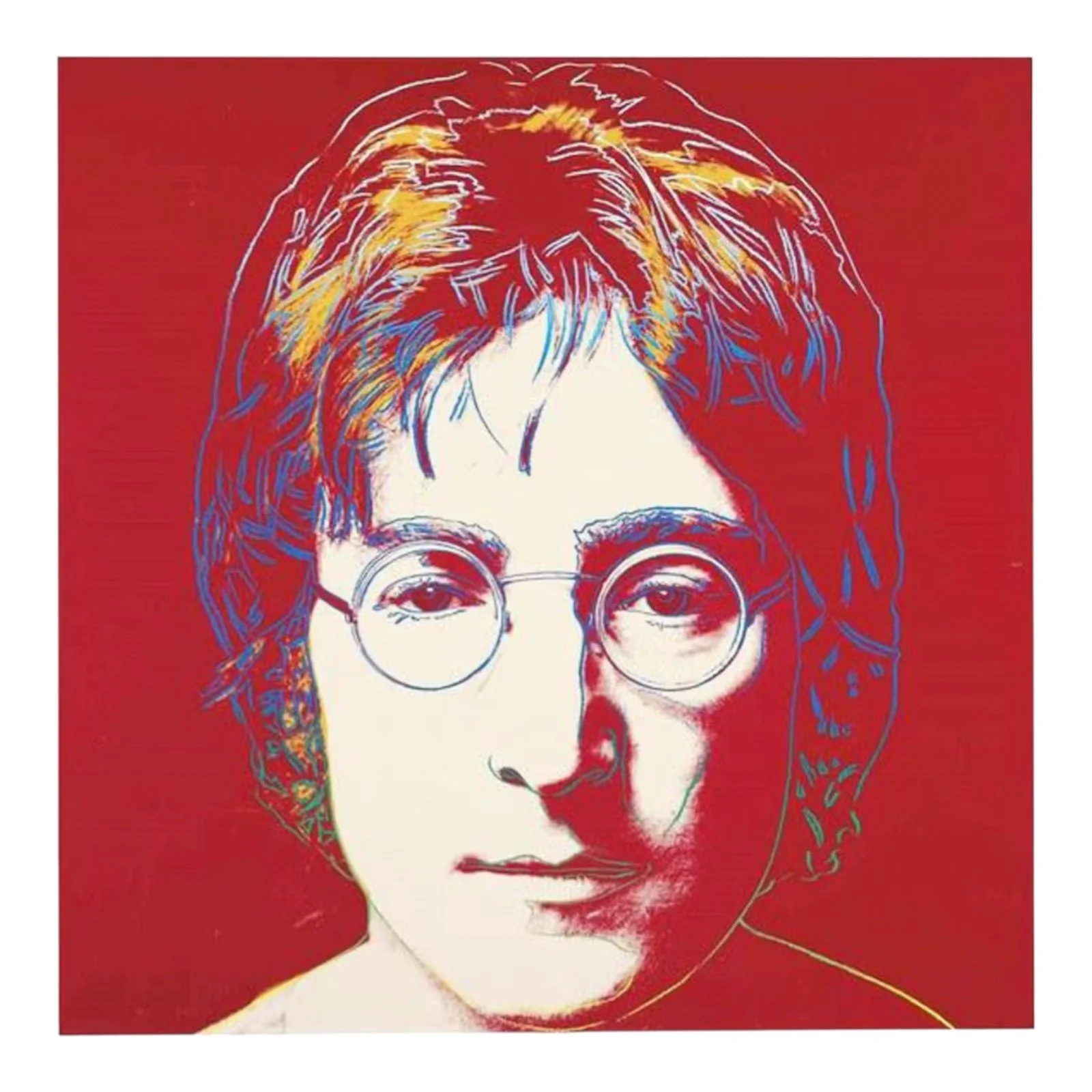
Andy Warhol John Lennon screenprint — signature, ink layering, paper stock, and edition status must align before authentication or auction positioning can be confirmed.
Introduction — The False Confidence Problem
Andy Warhol screenprints are among the most recognizable works in modern art. The imagery is iconic. The colors are bold. The signature appears simple. Because the aesthetic is so familiar, many collectors assume identification is straightforward.
That assumption creates risk.
Warhol’s screenprints exist across lifetime-signed editions, unsigned impressions, estate-authorized releases, later printings, and unsanctioned reproductions. Variations in ink layering, registration alignment, paper stock, blind stamps, and publisher marks materially affect classification. Yet many decisions are made based on visual appeal alone.
DJR Authentication specializes in professional evaluation of high-value Andy Warhol screenprints and related collectible assets.
Collectors often gain confidence quickly: the colors look correct, the image matches known works, the signature appears present. But authenticity and market classification require multiple production variables to align simultaneously.
In this market, assumptions become expensive quickly.
Where Most Collectors Go Wrong
Assuming bold color saturation confirms period production
Treating visible signature as automatic proof of lifetime execution
Ignoring subtle screen registration inconsistencies
Overlooking blind stamp or publisher mark accuracy
Confusing estate prints with lifetime-signed editions
Relying on prior sales history instead of structured verification
Believing auction listing equals authentication certainty
Warhol’s studio practice and publishing history introduce complexity that is often underestimated. Screenprints were produced in controlled editions, but distribution, documentation, and later releases create layered distinctions.
Collectors frequently evaluate these works visually rather than structurally.
Why This Category Carries Elevated Risk
Several factors elevate authentication risk in Warhol screenprints.
First, ink layering and screen registration must behave consistently with known production standards. Minor deviations can materially affect classification.
Second, signature placement, pencil pressure, and execution characteristics vary across periods. Surface similarity does not confirm authenticity.
Third, blind stamps and publisher marks carry weight. Incorrect placement, inconsistency, or absence may indicate later production or reproduction.
Fourth, estate involvement introduces additional complexity. Posthumous releases and later-authorized printings must be properly classified to avoid misrepresentation.
Fifth, auction review and authentication committees scrutinize Warhol works closely. A work that appears acceptable privately may fail review when subjected to formal examination.
In this category, a single misidentified item can represent thousands or even tens of thousands of dollars in financial exposure.
The interplay between signature analysis, print production variables, and publisher documentation creates a layered evaluation environment. Casual inspection is insufficient.
This cannot be confirmed casually.
What Must Be Verified First
Before authenticity or value can be established with confidence, several professional checkpoints must align:
Ink layering behavior consistent with screenprint production
Screen registration alignment across color fields
Paper stock appropriate to the documented edition
Blind stamp and publisher mark consistency
Signature structure and placement relative to known examples
Exposure to authentication committee or auction rejection
These variables must align before authenticity or value can be established with confidence.
Isolated observations are not decisive. Structured evaluation considers production, documentation, and classification together.
Path 1 — Professional Review
Professional evaluation is appropriate:
Before acquisition at significant price levels
Prior to auction consignment
When selling privately
For insurance or estate documentation
When signature or edition classification is uncertain
Start with a professional evaluation.
Early evaluation prevents costly mistakes and protects your position before a transaction, submission, or sale.
Most clients begin with an Online Fast Opinion to determine authenticity risk and whether further documentation is warranted.
In-person consultations are available by appointment in Charleston, SC.
Early review preserves optionality and protects long-term resale positioning.
Path 2 — Complete Education System
For collectors seeking structured context before professional review, the Andy Warhol Screenprint Authentication & Ownership System provides a comprehensive framework.
The system addresses:
Ink layering and registration fundamentals
Signature structure and placement considerations
Paper stock, blind stamp, and publisher verification
Authentication sequencing and grading exposure
Ownership documentation and resale planning
Collectors who want a structured framework before seeking professional review can explore the DJR Expert Guide Library.
Education strengthens awareness, but professional evaluation protects outcomes in high-value modern art markets.
Before You Act
Most costly mistakes occur before professional evaluation.
Confidence should follow verification, not precede it.
Early assumptions create irreversible financial exposure, particularly when buying, consigning, or insuring high-value screenprints.
Professional review preserves credibility, protects auction positioning, and reduces the risk of post-purchase reclassification or authentication rejection.
With Andy Warhol screenprints, the critical decision happens before a transaction or submission.