1916-D Mercury Silver Dime — Authentication Risk, Mintmark Analysis, and Collector Exposure
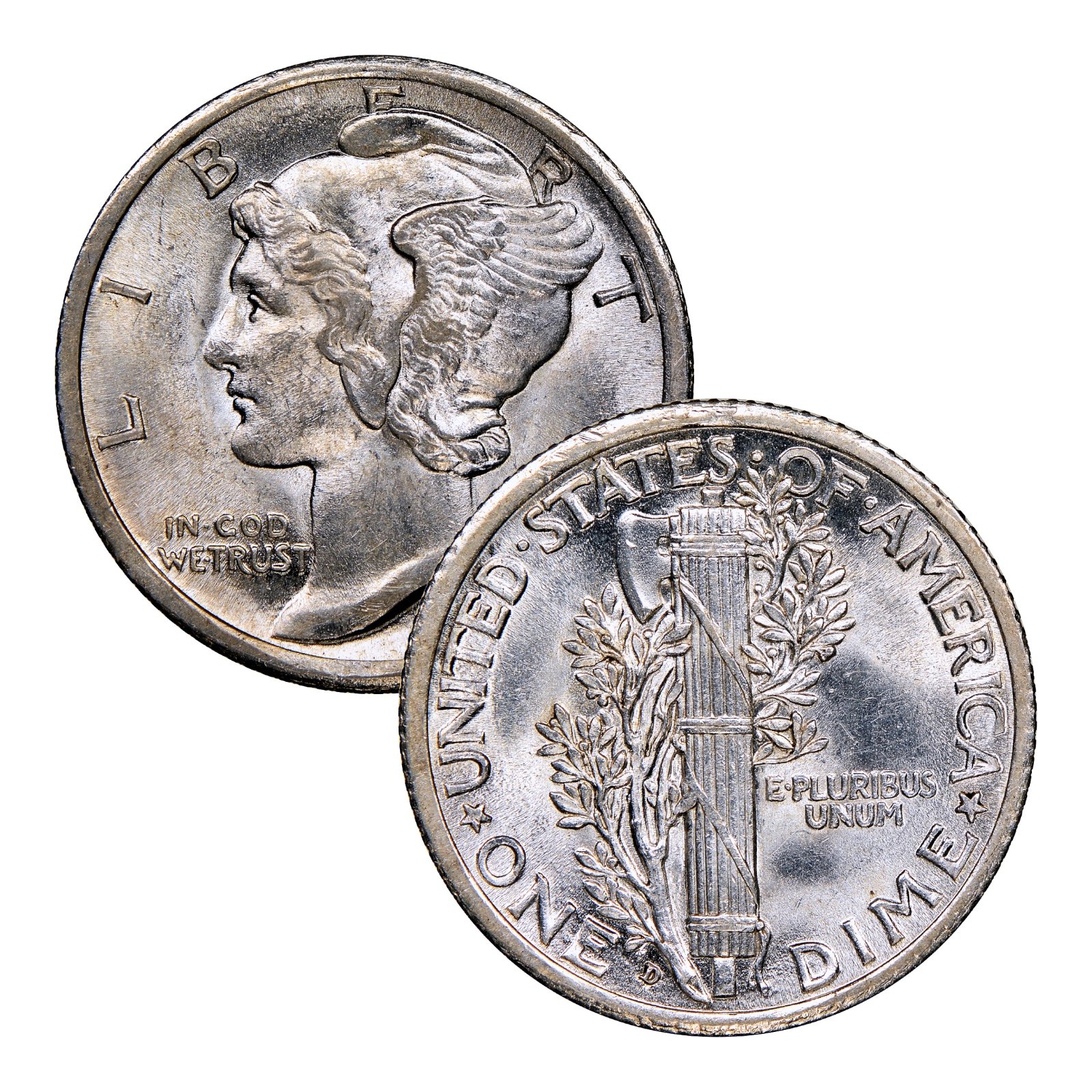
1916-D Mercury silver dime showing obverse and reverse details of the key-date U.S. coin with Liberty head design and fasces reverse.
Introduction — One of the Most Targeted Coins in U.S. Numismatics
The 1916-D Mercury Silver Dime is one of the most recognized and valuable key-date coins in United States coin collecting. With a limited mintage and strong collector demand, it has become a cornerstone piece in serious numismatic collections.
That same demand has made it one of the most frequently altered and misrepresented coins in the market.
Many examples appear convincing at first glance.
The design looks correct. The date matches. The mintmark is present. The coin may even display natural toning and wear.
Confidence builds quickly—often before structural verification occurs.
At DJR Authentication, we evaluate coins and numismatic material through professional authentication and appraisal services.
The reality is that authentic 1916-D Mercury dimes must align with precise mintmark characteristics, die features, surface behavior, and metal composition consistent with original U.S. Mint production.
Surface appearance alone is not sufficient.
Where Collectors Get Exposed
Collectors frequently encounter risk when evaluating key-date coins without structured analysis.
Common exposure points include:
Assuming a visible “D” mintmark confirms authenticity
Overlooking added or altered mintmarks
Ignoring differences in mintmark font shape and placement
Accepting cleaned or artificially toned coins as original
Missing inconsistencies in surface texture and luster behavior
Relying on general appearance rather than die characteristics
Overlooking edge reeding inconsistencies and wear patterns
Even experienced collectors can misidentify altered examples when evaluation stops at surface-level observation.
Authentic coins must align with known mint production characteristics and die markers.
Why the 1916-D Mercury Dime Carries Elevated Risk
Several factors increase authentication risk with this coin.
First, the 1916-D is a key-date issue with strong market value, making it a frequent target for alteration.
Second, altered examples are common. Lower-value 1916 coins from other mints are sometimes modified by adding a “D” mintmark.
Third, mintmark placement and font characteristics must align precisely with known genuine dies. Small deviations can indicate alteration.
Fourth, surface condition can be manipulated. Cleaning, artificial toning, and surface modification are often used to improve appearance.
Finally, metal composition, weight, and edge reeding must correspond with original U.S. Mint specifications.
Without examining these variables together, collectors cannot confidently determine authenticity.
Critical Diagnostics That Must Align
Before authenticity or collector classification can be established, several structural indicators must align.
Professional evaluation typically examines:
Mintmark position, font shape, and punch characteristics
Die alignment and known diagnostic markers
Surface texture, strike quality, and luster behavior
Silver composition, weight, and diameter
Edge reeding structure and wear consistency
Evidence of cleaning, tooling, or artificial toning
Each of these elements must correspond with known production characteristics of authentic 1916-D Mercury dimes.
A visible mintmark alone does not confirm authenticity.
Path 1 — Professional Evaluation
Professional review is often the safest approach when dealing with key-date coins.
Evaluation may be appropriate:
Before purchasing a 1916-D Mercury dime
Prior to resale or auction consignment
When authenticity is uncertain
For insurance or estate documentation
When alteration or surface work is suspected
Many collectors begin with an Online Fast Opinion to determine whether a coin presents authentication risks.
From there, a full appraisal or authentication report can be prepared depending on the intended use.
In-person consultations are available by appointment in Charleston, SC.
Early evaluation protects financial exposure and long-term collector credibility.
Path 2 — Structured Education System
Collectors seeking deeper understanding before professional review can explore the 1916-D Mercury Silver Dime Coin Authentication & Ownership System available through the DJR Expert Guide Library.
This system examines:
Mintmark placement and die characteristics
Surface texture and luster behavior
Silver composition and physical specifications
Edge reeding and structural analysis
Cleaning, toning, and alteration risks
These guides provide structured insight into how authentication decisions are made and what professionals evaluate.
Education strengthens awareness. Professional documentation protects financial outcomes.
Before You Act
Most costly mistakes in coin collecting occur before professional evaluation.
A coin that appears correct may still fail structural verification under closer analysis.
Authenticity confidence should follow verification—not precede it.
Collectors who rely on surface appearance alone risk financial loss, grading rejection, and resale complications.
Understanding mint characteristics and structural diagnostics is essential before purchase, submission, or sale.
At DJR Authentication, we appraise and authenticate coins and collectibles. Reports include full documentation suitable for insurance, estate planning, resale, and more. Visit djrpro.com to learn more. In-person consultations are available by appointment in Charleston, SC.