Jean-Michel Basquiat Limited Edition Art Prints — Authentication Risk, Print Characteristics, and Collector Exposure
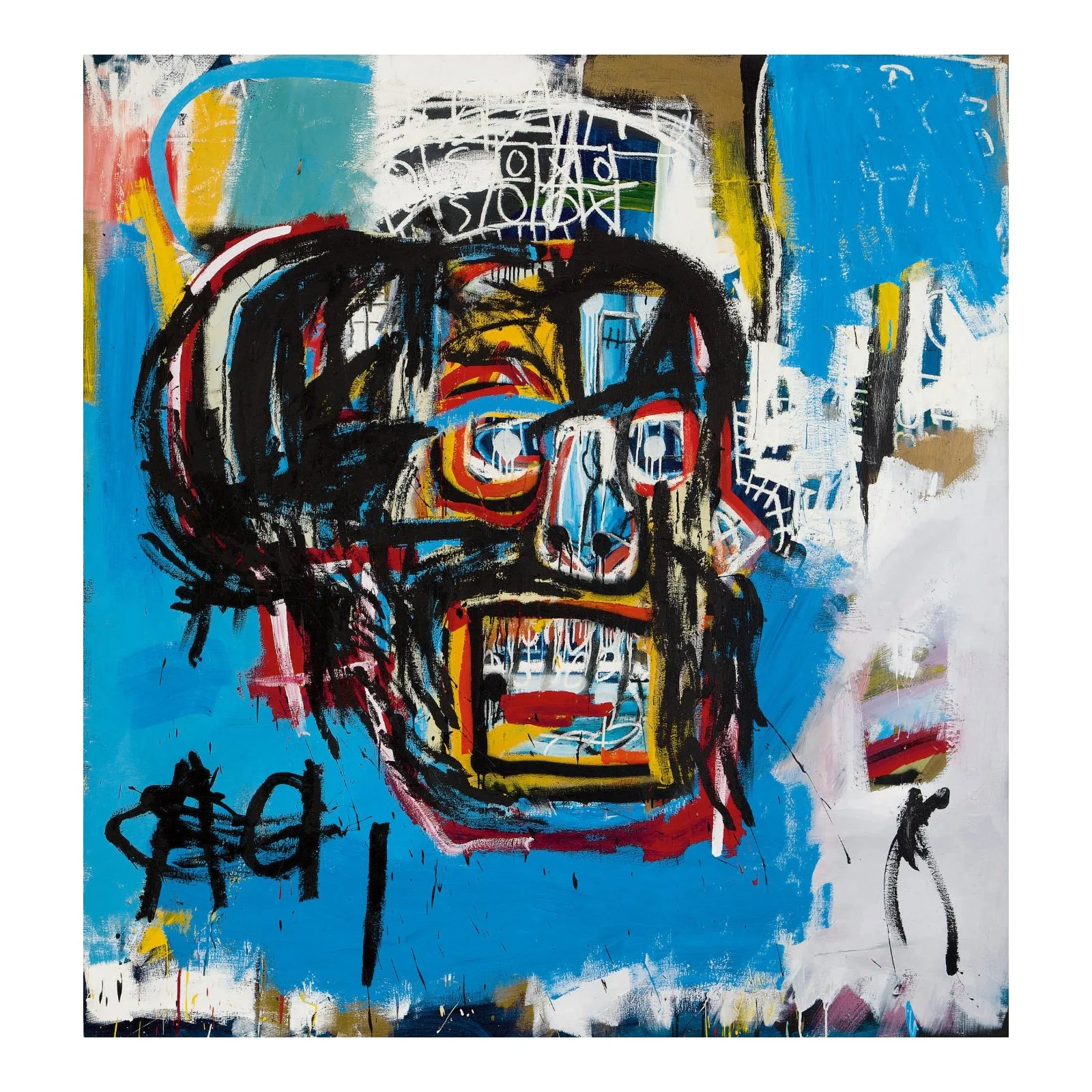
Jean-Michel Basquiat-style 1982-era abstract head composition featuring bold color layering, expressive line work, and graffiti-influenced visual structure.
Introduction — High Demand, High Risk in Modern Art Prints
Jean-Michel Basquiat’s work has become one of the most recognizable and sought-after bodies of art in the modern market. His visual language, cultural impact, and market performance have made limited edition prints highly desirable among collectors worldwide.
As demand has increased, so has the volume of reproductions, unauthorized prints, and decorative copies circulating in the market.
Many pieces appear convincing at first glance.
The composition looks correct. The imagery is familiar. The signature appears present. The numbering seems appropriate.
Confidence builds quickly—often before structural verification takes place.
At DJR Authentication, we evaluate modern art prints, limited editions, and collectible works through professional authentication and appraisal services.
The reality is that authentic Basquiat limited edition prints must align with specific production characteristics, including print method, paper composition, edition structure, and signature application.
Surface appearance alone is not sufficient.
Where Collectors Get Exposed
Collectors frequently encounter risk when evaluating Basquiat prints without structured analysis.
Common exposure points include:
Assuming recognizable artwork confirms authenticity
Accepting printed or facsimile signatures as original
Overlooking inconsistencies in edition numbering format
Ignoring paper quality and print method differences
Accepting decorative posters or later reproductions as limited editions
Missing signs of restoration, trimming, or paper damage
Relying on visual familiarity rather than production analysis
Even experienced collectors can misidentify prints when evaluation stops at surface-level observation.
Authentic limited edition prints must align with known production standards and materials used during the original print run.
Why Basquiat Prints Carry Elevated Risk
Several factors increase authentication risk in the Basquiat print market.
First, the artist’s global recognition and strong auction performance have created significant financial incentive for reproduction and imitation.
Second, multiple print publishers, editions, and posthumous releases exist, making edition structure more complex than many collectors assume.
Third, decorative posters and open-edition reproductions are widely available and often presented as collectible prints.
Fourth, signature application varies. Pencil signatures, printed signatures, and stamped marks must be evaluated within the correct production context.
Finally, paper type, print method, and ink behavior must correspond with known characteristics of legitimate editions.
Without evaluating these factors together, collectors cannot confidently determine authenticity or classification.
Critical Diagnostics That Must Align
Before authenticity or collectible classification can be established, several structural indicators must align.
Professional evaluation typically examines:
Signature placement and pencil mark characteristics
Edition numbering format and consistency
Paper texture, weight, and aging behavior
Print method and ink saturation characteristics
Color layering and edge definition
Publisher marks and production identifiers
Evidence of restoration, trimming, or paper alteration
Each of these elements must correspond with known production standards for Basquiat limited edition prints.
Artwork alone is not sufficient to confirm authenticity.
Path 1 — Professional Evaluation
Professional review is often the safest approach when dealing with collectible art prints.
Evaluation may be appropriate:
Before purchasing a Basquiat print
Prior to resale or auction consignment
When authenticity or edition type is uncertain
For insurance or estate documentation
When restoration or damage is suspected
Many collectors begin with an Online Fast Opinion to determine whether a print presents authenticity risks.
From there, a full appraisal or authentication report can be prepared depending on the intended use.
In-person consultations are available by appointment in Charleston, SC.
Early evaluation protects both financial outcomes and long-term collector credibility.
Path 2 — Structured Education System
Collectors seeking deeper understanding before professional review can explore the Jean-Michel Basquiat Limited Edition Art Print Authentication & Ownership System available through the DJR Expert Guide Library.
This system examines:
Signature placement and pencil analysis
Edition numbering structure and formatting
Paper composition and print method characteristics
Publisher identification and production standards
Restoration risks and condition impact
These guides provide structured insight into how authentication decisions are made and what professionals evaluate during review.
Education strengthens awareness. Professional documentation protects financial outcomes.
Before You Act
Most costly mistakes in the art print market occur before professional evaluation.
A print that appears correct may still fail structural verification under closer analysis.
Authenticity confidence should follow verification—not precede it.
Collectors who rely on appearance alone risk financial exposure, resale complications, and long-term credibility issues.
Understanding production characteristics is essential before purchase, resale, or documentation.
At DJR Authentication, we appraise and authenticate artwork and collectibles. Reports include full documentation suitable for insurance, estate planning, resale, and more. Visit djrpro.com to learn more. In-person consultations are available by appointment in Charleston, SC.