What a Customized Denim Submission Reveals About How Professionals Evaluate Wearable Objects
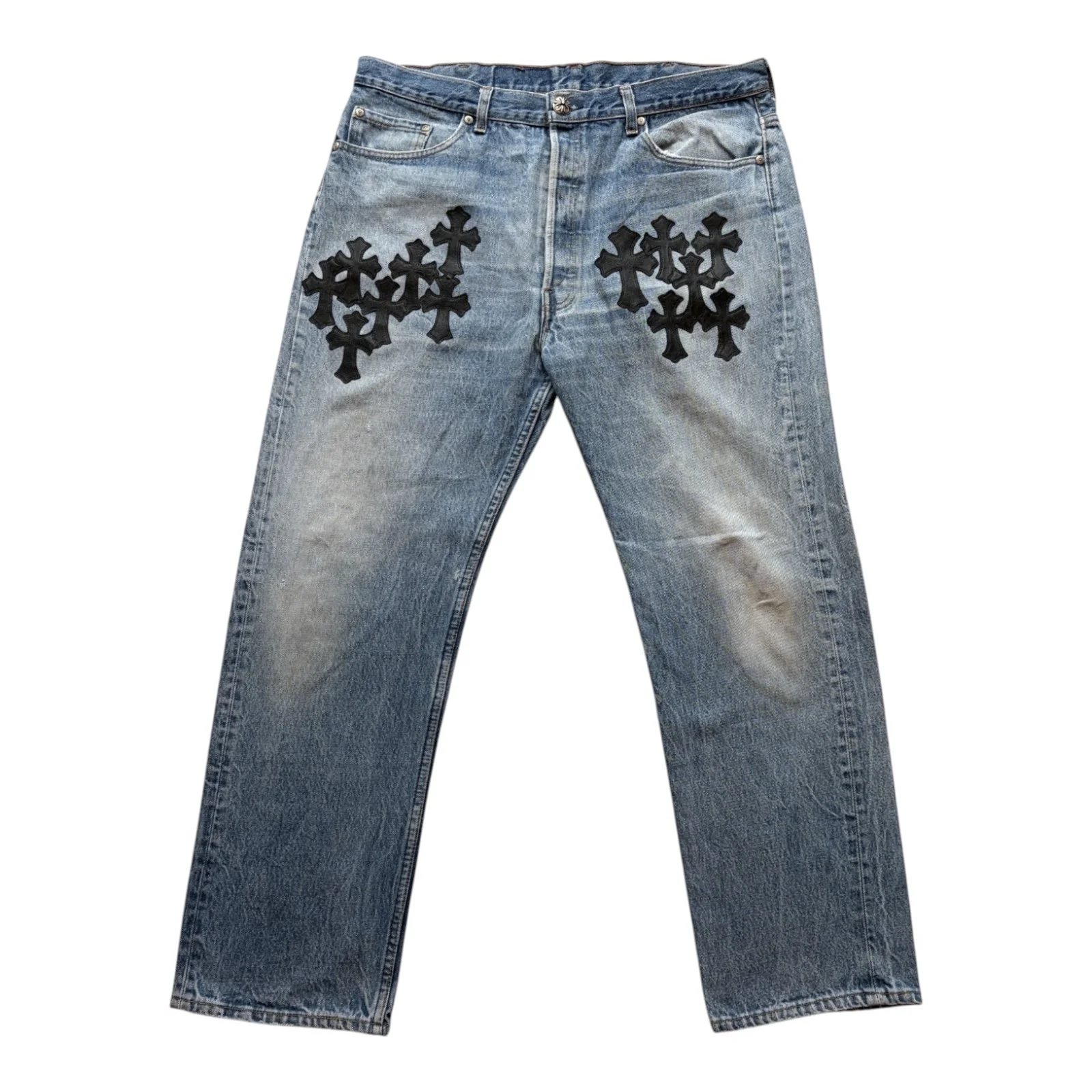
Wearable items that incorporate applied elements often generate uncertainty for owners because they sit at the intersection of fashion, material culture, and modification. From a professional standpoint, evaluating an item like this begins with understanding that it is not assessed as a single object, but as a combination of components that must be considered both independently and together.
Understanding Materials and Construction
Professional evaluation starts with materials. Appraisers and authenticators examine the base fabric for weave consistency, weight, fiber behavior, and how it responds to age and use. Denim, for example, carries information in how it fades, creases, and softens over time. Added elements such as leather, appliqués, or overlays are reviewed separately, noting thickness, flexibility, finish, and how those materials typically age relative to fabric. Differences in aging rates between materials are expected and become part of the broader assessment.
Evaluating Attachment and Assembly
How applied elements are attached matters as much as the elements themselves. Stitch type, stitch density, thread characteristics, and alignment are all examined. Professionals look for consistency across attachment points rather than perfection. Variations may suggest hand application, multiple stages of work, or later alterations. The goal is not to judge quality, but to understand process and sequence.
Condition and Wear Pattern Analysis
Condition assessment goes beyond surface appearance. Evaluators look at how wear develops across stress areas such as seams, pockets, knees, and hems, and how that wear interacts with added components. Natural wear tends to follow predictable movement patterns, while later additions may interrupt or overlay existing wear. Friction points between materials, compression around stitching, and distortion of fabric are all observed to understand how the garment has been used.
Indicators of Manufacturing Versus Hand Work
Professionals also consider whether elements appear standardized or individually applied. Uniform spacing, repeated stitch paths, and symmetrical placement can suggest controlled production, while subtle irregularities may indicate hand work. Neither is assumed to be preferable. These observations simply help place the item within a broader range of category norms without drawing conclusions.
Markings, Labels, and Contextual Placement
Any labels, markings, or identifiers are reviewed in context rather than isolation. Placement, attachment method, and condition relative to the surrounding fabric are more informative than the marking itself. Appraisers also consider how similar items typically appear in the marketplace and how customization is commonly executed within this category, using experience rather than assumptions to frame expectations.
Professional evaluation focuses on documentation of observable characteristics, not outcomes. By breaking an item down into materials, construction, condition, and context, experts can explain what is present, how components interact, and where uncertainties remain. This approach avoids speculation while providing clarity grounded in evidence.
Before You Act
Wearable objects that combine original garments with later customization are frequently misinterpreted when evaluated as a single, unified item. Material aging rates, attachment methods, wear patterns, and production context can differ across components, and assumptions about authorship, age, or intent often arise when those differences are not examined independently. Visual coherence alone does not establish period, process, or significance.
If uncertainty remains, a Fast Opinion provides a disciplined first-stage review based on submitted images—helping document observable characteristics, identify interaction between materials, and determine whether further evaluation is warranted before selling, insuring, or assigning attribution.