Leica M3 Cameras — Authentication Risk, Re-Engraving Exposure, and Collector Reclassification
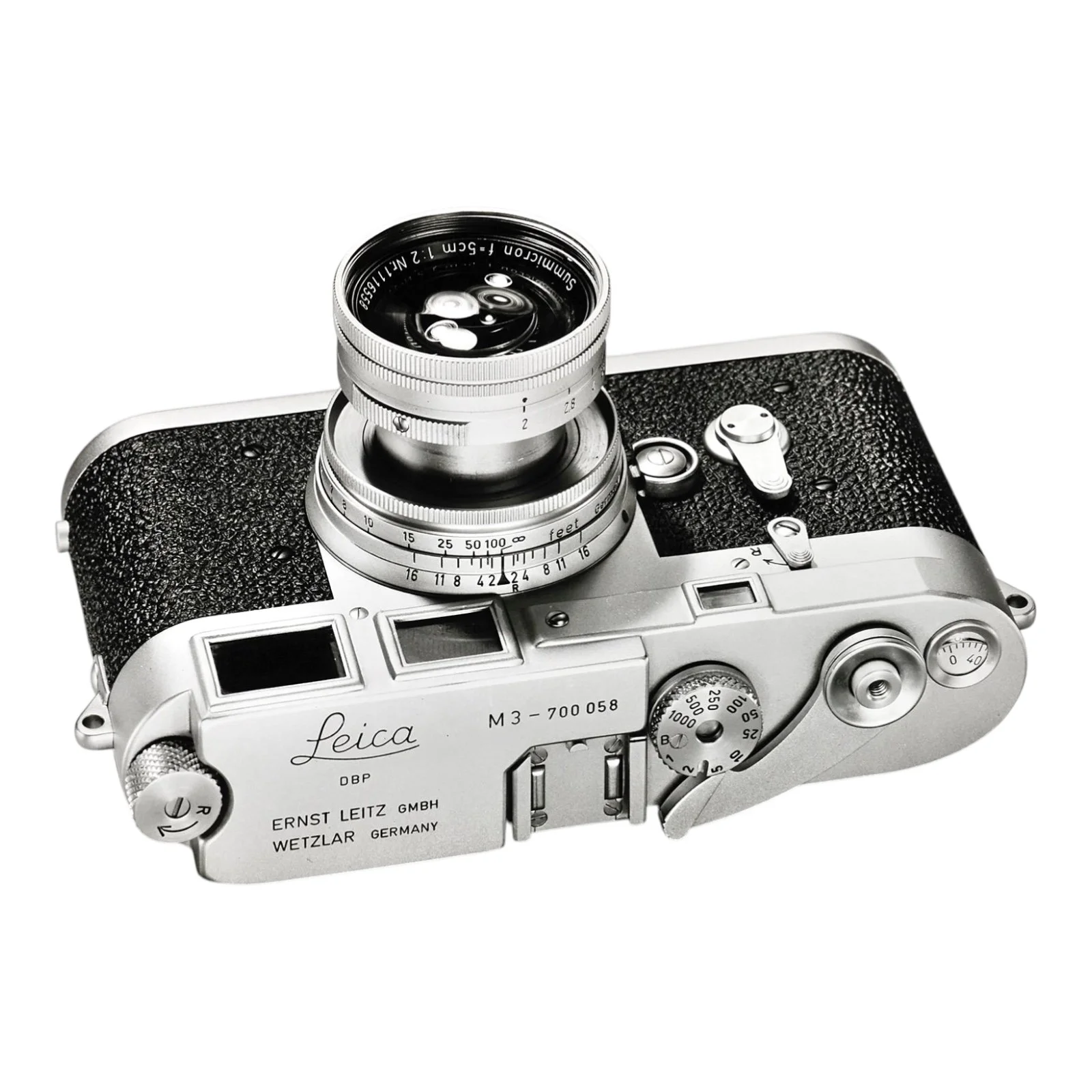
Early Leica M3 with collapsible 50mm Summicron — engraving depth, serial range alignment, finish originality, and internal configuration determine collector classification and auction positioning.
Introduction — The False Confidence Problem
The Leica M3 is one of the most respected mechanical cameras ever produced. Its design is instantly recognizable. The weight feels substantial. The engraving appears precise. To many collectors, these physical cues create immediate confidence.
That confidence can be misleading.
The Leica M3 exists across multiple production batches, serial ranges, finish variations, and service histories. Bodies may be repainted. Top plates may be re-engraved. Internal components may be swapped during decades of servicing. Some cameras marketed as “all original” contain later parts or cosmetic modifications that materially affect classification.
DJR Authentication specializes in professional evaluation of high-value Leica M3 cameras and related collectible photographic equipment.
Engraving style, serial range alignment, viewfinder configuration, and internal consistency must work together. A single mismatch can materially alter collector status and resale positioning.
In this market, assumptions become expensive quickly.
Where Most Collectors Go Wrong
Assuming clean engraving equals factory originality
Treating serial numbers as sufficient proof without range verification
Overlooking repaint or refinished top plate indicators
Ignoring re-engraving or “upgrade” modifications
Accepting viewfinder clarity as confirmation of internal originality
Believing serviced equals original
Relying solely on seller narrative or prior listing language
The M3 has often been serviced, restored, or cosmetically refreshed over decades. While maintenance is expected, undocumented modifications affect collector-grade classification.
Visual appeal is not authentication.
Why This Category Carries Elevated Risk
Several structural factors elevate risk in Leica M3 authentication.
First, engraving depth and font characteristics must correspond to known production standards. Re-engraving can appear convincing without matching factory precision.
Second, serial number ranges matter. Cameras outside expected sequences may indicate replacement top plates or component swaps.
Third, repainted or refinished bodies alter originality status. Even professional refinishes can materially change collector classification.
Fourth, internal component swaps — including viewfinder assemblies and mechanical parts — may not be immediately visible externally.
Fifth, auction houses and serious collectors scrutinize originality carefully. Cameras that appear clean in private sales may face reclassification during formal review.
In this category, a single misidentified item can represent thousands or even tens of thousands of dollars in financial exposure.
The interplay between engraving, serial alignment, finish originality, and internal configuration creates layered complexity. Casual inspection is insufficient.
This cannot be confirmed casually.
What Must Be Verified First
Before authenticity or value can be established with confidence, multiple checkpoints must align:
Engraving depth and font consistency with production standards
Serial number alignment within documented ranges
Evidence of repaint, refinishing, or top plate replacement
Viewfinder configuration and frame line consistency
Internal component originality relative to production period
Exposure to auction or collector reclassification
These variables must align before authenticity or value can be established with confidence.
Isolated originality does not guarantee full collector-grade status. Structured evaluation considers the camera as an integrated mechanical system.
Path 1 — Professional Review
Professional evaluation is appropriate:
Before purchasing at collector-grade price levels
Prior to auction consignment
When marketing as “all original”
For insurance or estate documentation
When refinishing or modification history is unclear
Start with a professional evaluation.
Early evaluation prevents costly mistakes and protects your position before a transaction, submission, or sale.
Most clients begin with an Online Fast Opinion to determine authenticity risk and whether further documentation is warranted.
In-person consultations are available by appointment in Charleston, SC.
Early review protects liquidity in a market where originality defines value.
Path 2 — Complete Education System
Collectors who want structured context before professional evaluation can explore the Leica M3 Authentication & Ownership System.
The system addresses:
Engraving and serial analysis fundamentals
Repaint and re-engraving exposure
Internal component configuration considerations
Auction and appraisal risk management
Ownership documentation and resale planning
Collectors who want a structured framework before seeking professional review can explore the DJR Expert Guide Library.
Education improves awareness. Professional review protects financial outcomes.
Before You Act
Most costly mistakes occur before professional evaluation.
Confidence should follow verification, not precede it.
Early assumptions create irreversible financial exposure, particularly in high-value mechanical collectibles where originality determines tier placement.
Professional review preserves credibility, protects auction positioning, and reduces reclassification risk.
With Leica M3 cameras, the critical decision happens before purchase, listing, or consignment.