Navigating the World of Autographs: How to Spot Fakes on eBay, Etsy, Facebook Marketplace, and More
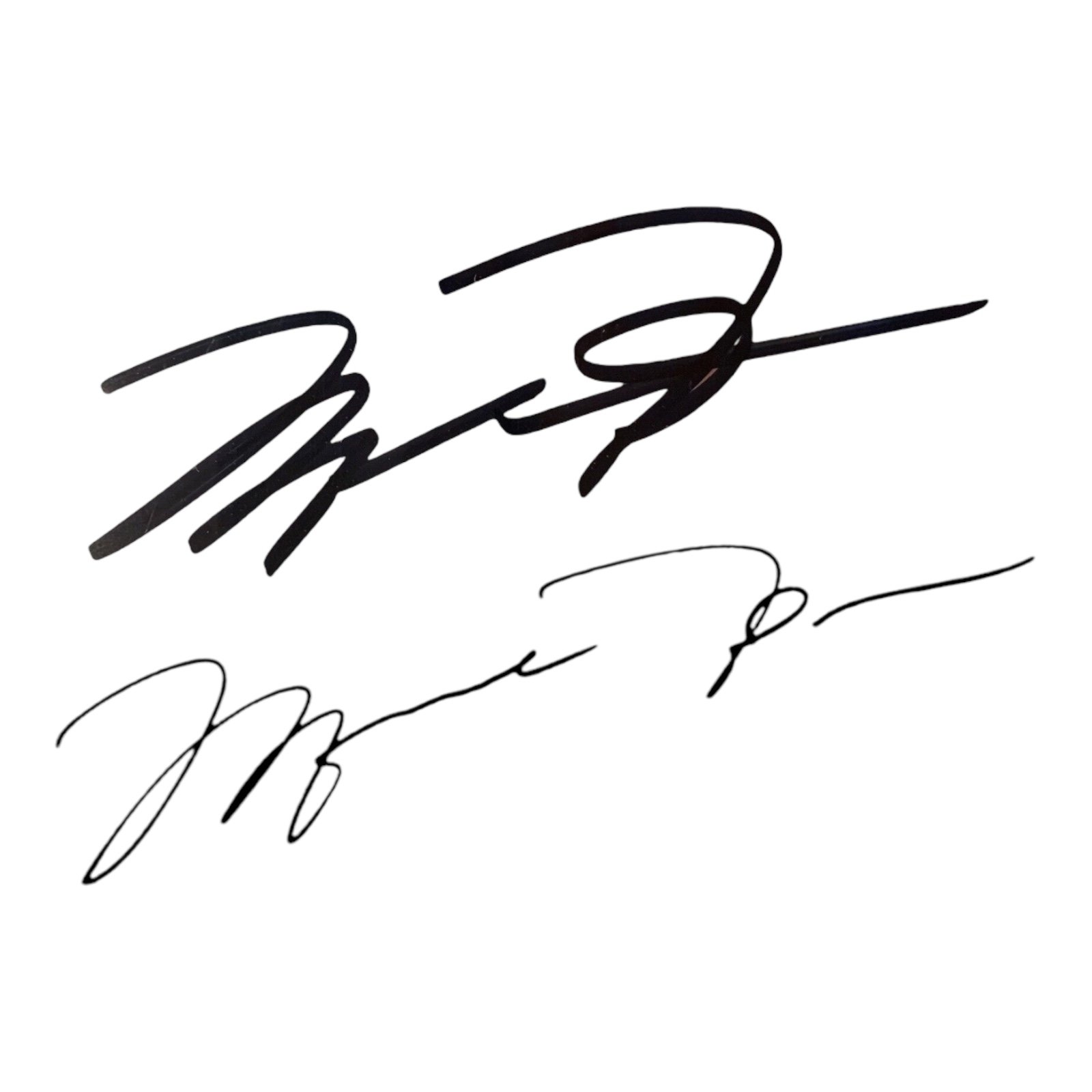
The top shows a counterfeit Michael Jordan signature, while the bottom displays an authentic example.
The thrill of acquiring an autograph from your favorite celebrity, athlete, or historical figure is unmatched. However, with the rise of online marketplaces like eBay, Etsy, and Facebook Marketplace, the prevalence of counterfeit signatures has skyrocketed. So, how do you ensure that the autograph you're eyeing online isn't just a clever fake? Dive in with us as we unravel the art of discerning genuine signatures from forgeries.
1. Too Good to Be True? Probably Is.
Stumbling upon an autographed item priced well below its market value can be tempting. But remember, if a deal seems too good to be true, it often is. Scammers often lure victims with unbeatable prices.
2. Study the Signature.
Examine the autograph closely. Does it appear too perfect? Many fake signatures are made using autopen machines or are copied from genuine autographs, resulting in an overly uniform appearance.
3. Check the Provenance.
Ask the seller about the history of the item. Where did they acquire it? Are there photos of the celebrity signing it? A genuine backstory can add credibility.
4. Certificate of Authenticity (COA) - Handle with Care.
While a COA can add value and assurance, be aware that fake COAs also exist. Research the issuing company and ensure they are reputable.
5. Feedback and Seller Reputation.
Always review the feedback and ratings of online sellers. If they've sold multiple items with the same "rare" signature or have a history of negative feedback regarding authenticity, proceed with caution.
6. Signature Comparison.
Compare the signature in question with authentic examples. While variations can occur in genuine signatures, major discrepancies are red flags.
7. Third-Party Authentication.
If in doubt, seek a third-party opinion. Professional authentication services can verify the legitimacy of an autograph, giving you peace of mind.
8. Beware of Stock Photos.
If the listing uses stock or generic photos instead of images of the actual signed item, be wary. Always request to see the real item.
9. Ask Questions.
Engage with the seller. Ask them about the signing event, the pen used, or other specific details. A genuine seller will usually be more transparent and forthcoming.
Before You Act
Online autograph listings often combine partial truths with visual persuasion. Stock photos, recycled signatures, unverifiable signing stories, and low-credibility COAs regularly circulate alongside genuine material, making surface-level confidence unreliable. Even experienced buyers can misjudge risk when price, presentation, or platform reputation substitutes for verification.
If uncertainty remains, a Fast Opinion offers a disciplined first-stage review based on submitted images—helping identify common forgery indicators and determine whether further verification is warranted before committing funds.